RMCO was one of the most comprehensive projects I’ve undertaken.
It brought together disciplines that are usually separated by departments, agencies or entirely different careers: business design, brand strategy, identity, operations, photography, advertising, digital, social, technical communication, CAD, production and manufacturing.
The company began as an idea and, over roughly a year of planning, became a ground-up startup producing bespoke linear wood products for luxury residential and select commercial projects.
My involvement was equally broad.
I designed much of the operational infrastructure and workflow while creating and directing the brand, marketing and media presence around it.
That meant moving constantly between very different kinds of problems: from identity systems and advertising campaigns to training documentation, photography, production processes and CAD drawings used to manufacture custom profiles.
Over three years, the resulting working archive grew to encompass thousands of assets across virtually every part of the business.
But the individual pieces aren’t really the point.
The point was creating a coherent whole.
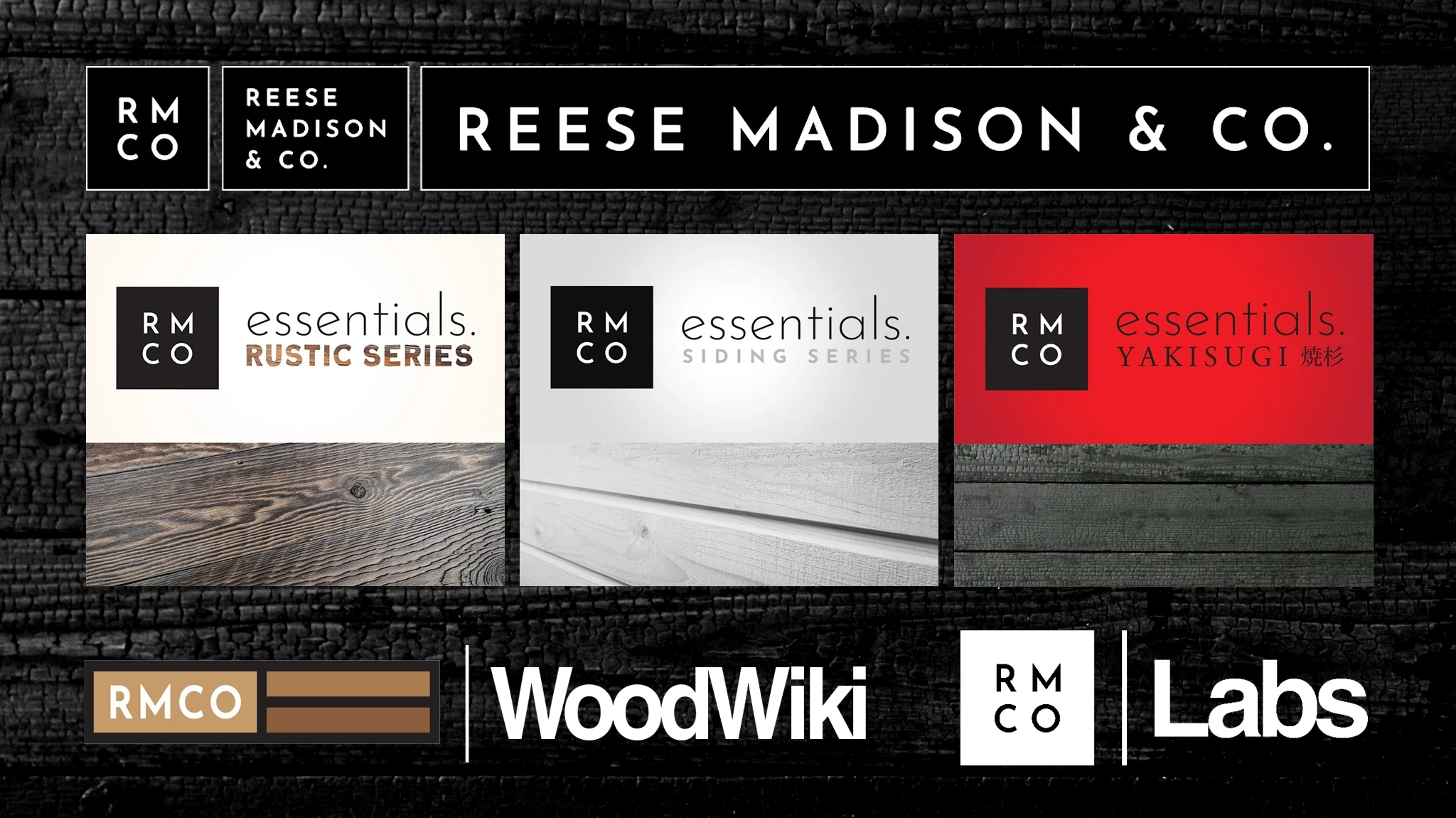
We weren’t simply designing how RMCO looked.
We were designing how it worked, how it communicated and how people understood it.
From the ground up.
BEFORE THE FIRST BOARD
The opportunity was in high-end residential construction, where architects, designers, developers and builders were specifying increasingly sophisticated materials for increasingly ambitious projects.
Standard products were readily available. Truly bespoke products, made to exact specifications and delivered without extraordinary lead times, were considerably harder to find.
We believed a small, highly specialized mill could occupy that space.
But there was another challenge.
We were starting from zero.
No history. No established reputation. No retail footprint. No decades-old distribution network. And we were asking professionals working on multimillion-dollar properties to trust a new company with substantial architectural packages.
Before we milled a single piece of wood, RMCO needed to look, sound and behave like a company capable of delivering the work we were asking people to entrust to it.
So we started with the brand.
NOT YOUR AVERAGE SAWMILL
RMCO was something different.
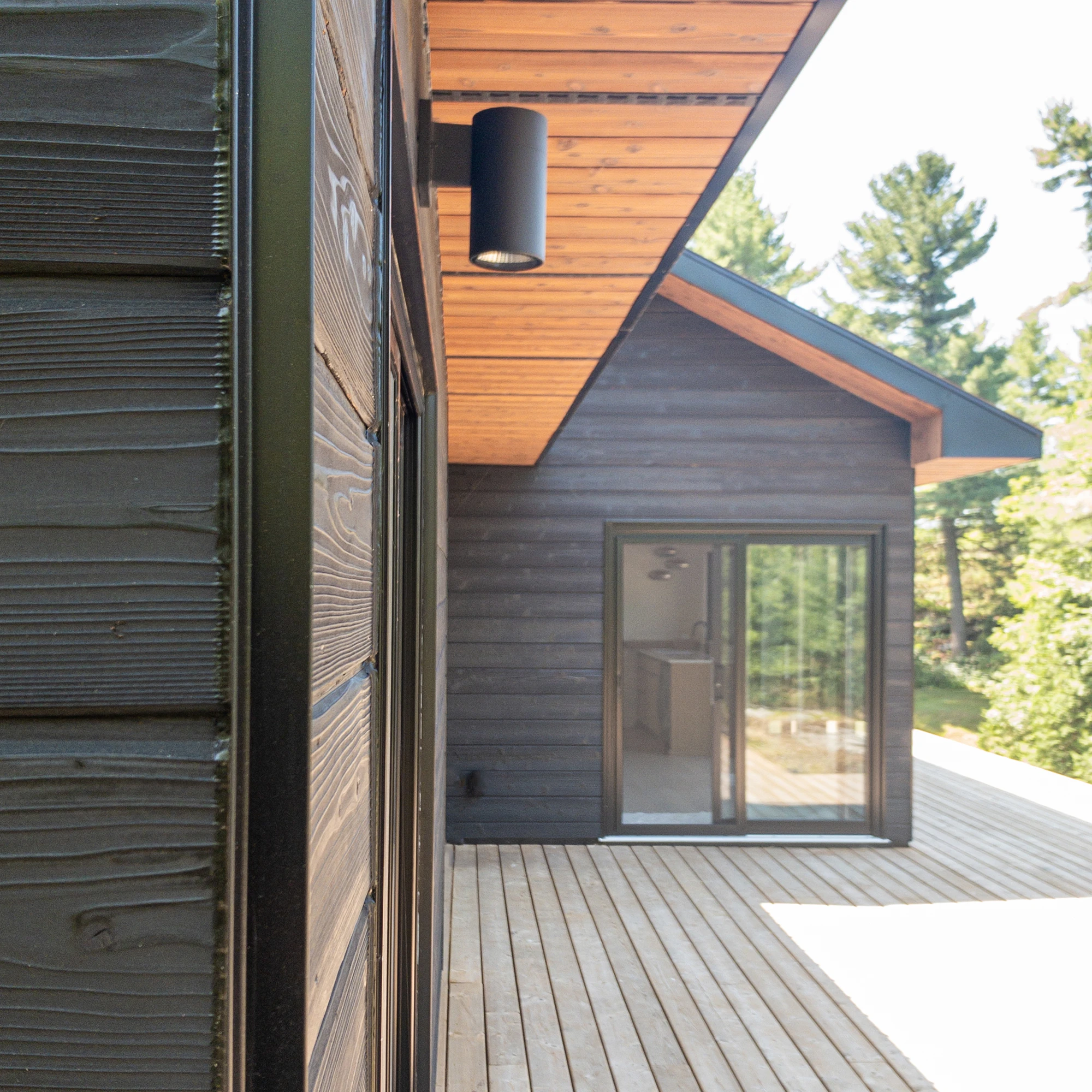
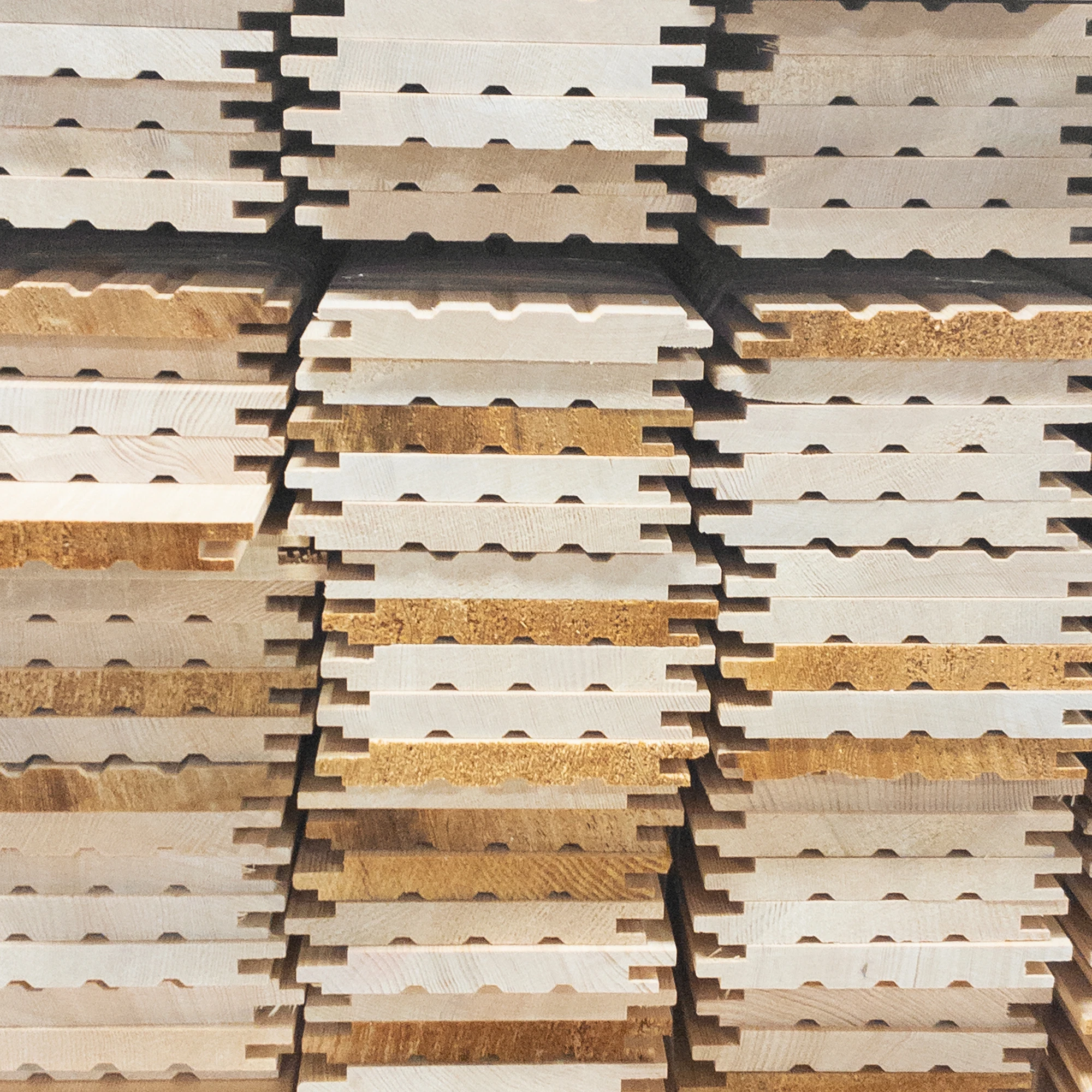
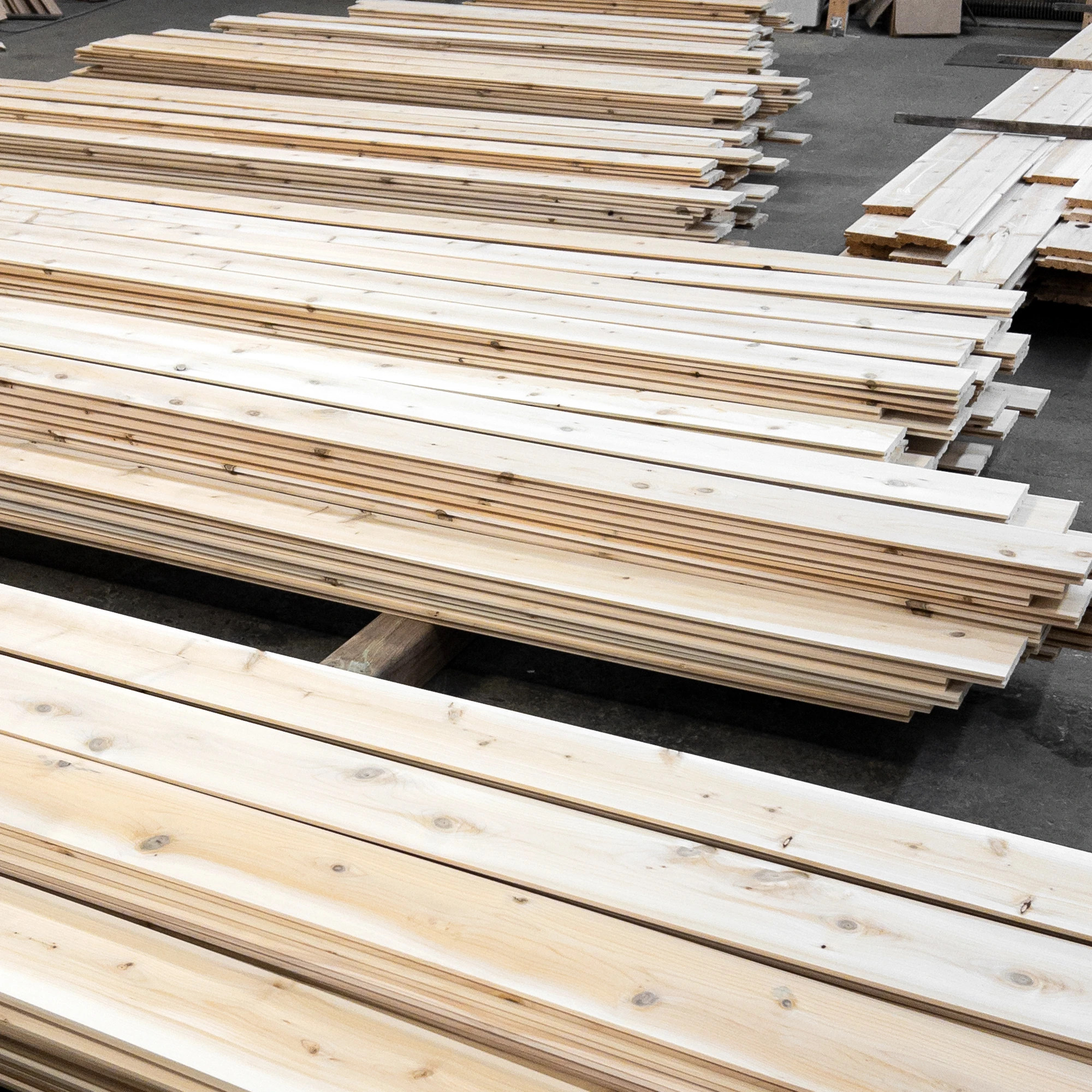
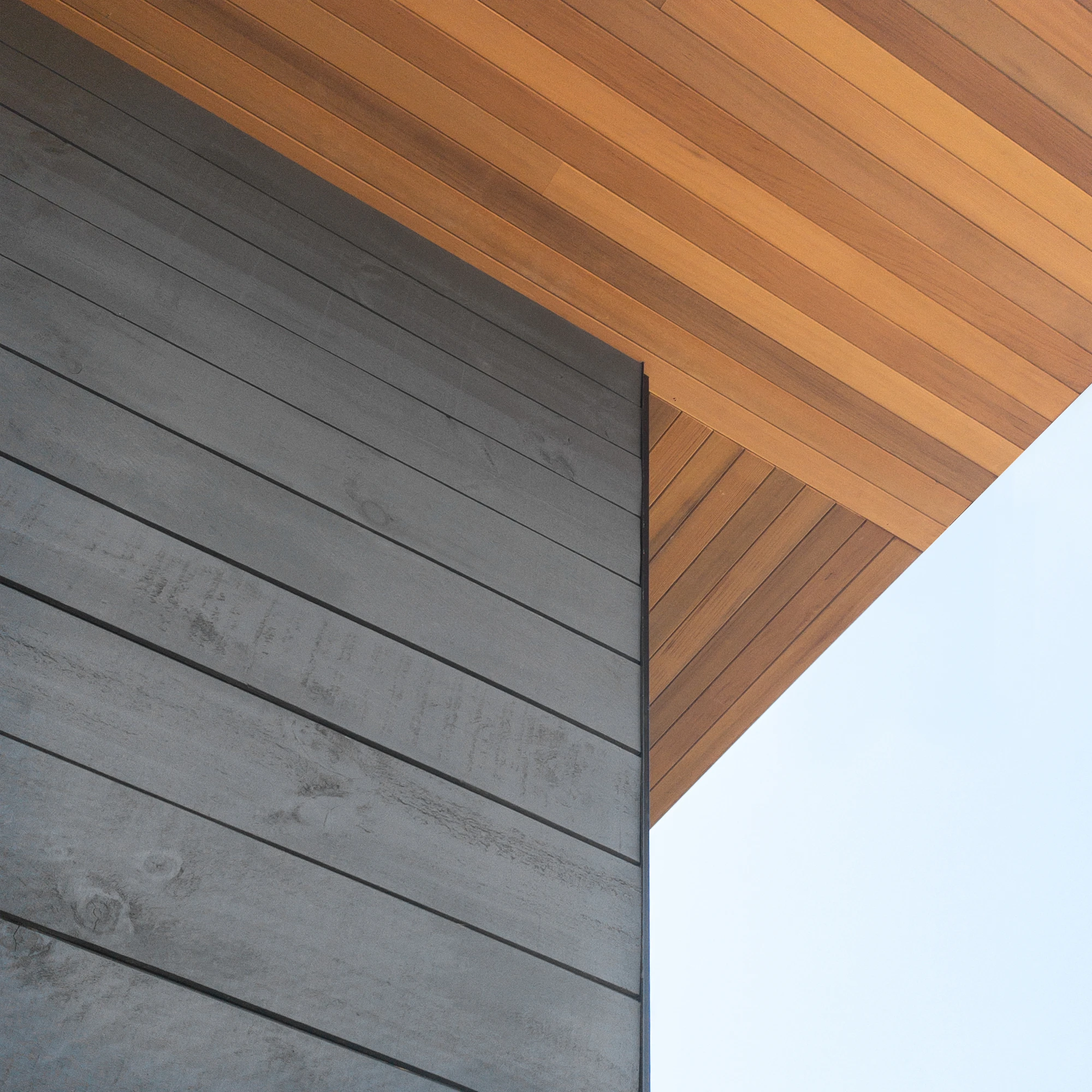
We produced made-to-order linear wood products for luxury residential and select commercial projects, working primarily through architects, builders, designers and developers throughout Georgian Bay, Muskoka and Southern Ontario.
The traditional sawmill comes with a fairly well-established visual vocabulary.
Rugged. Industrial. Utilitarian. A little sawdust.
Possibly some flannel.
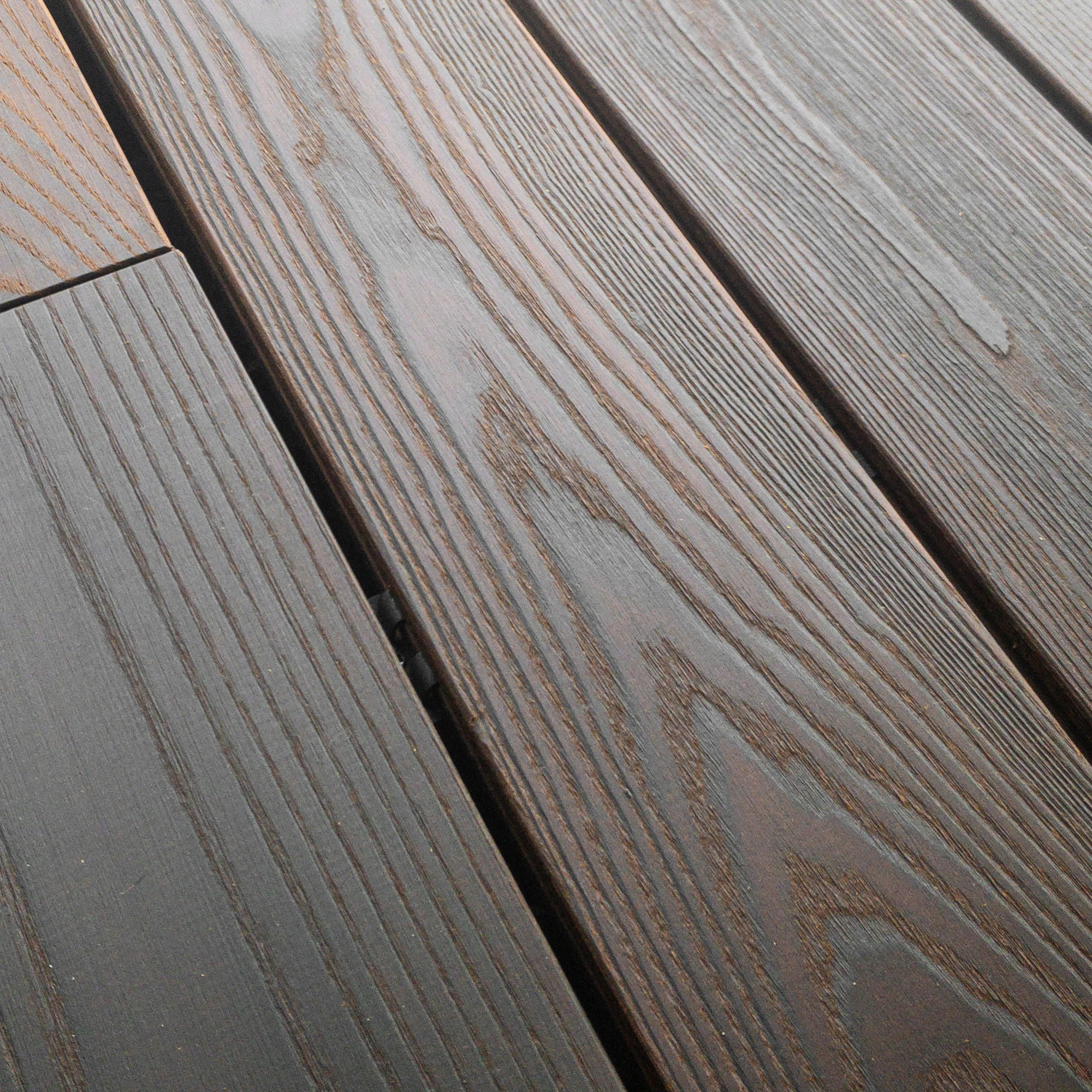
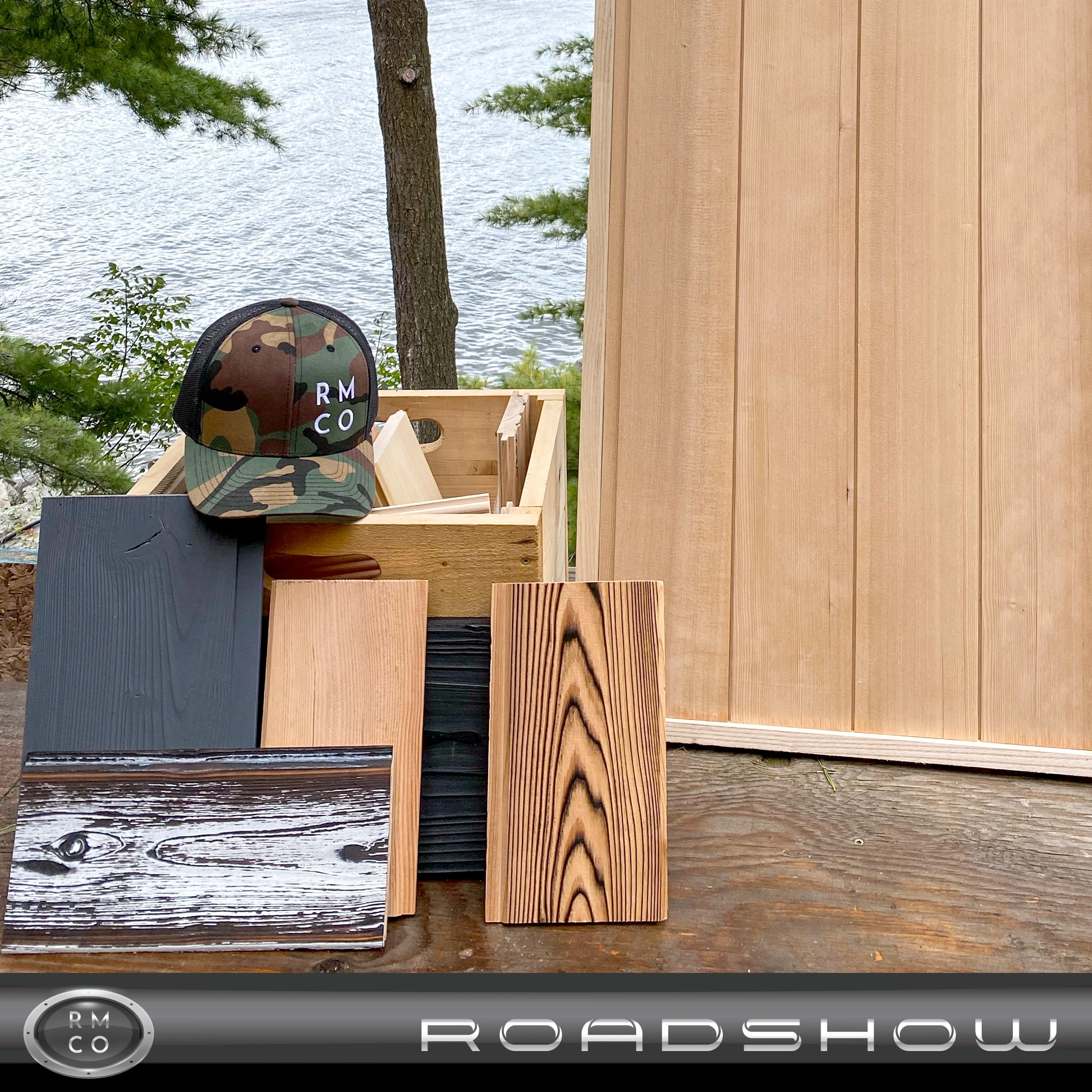
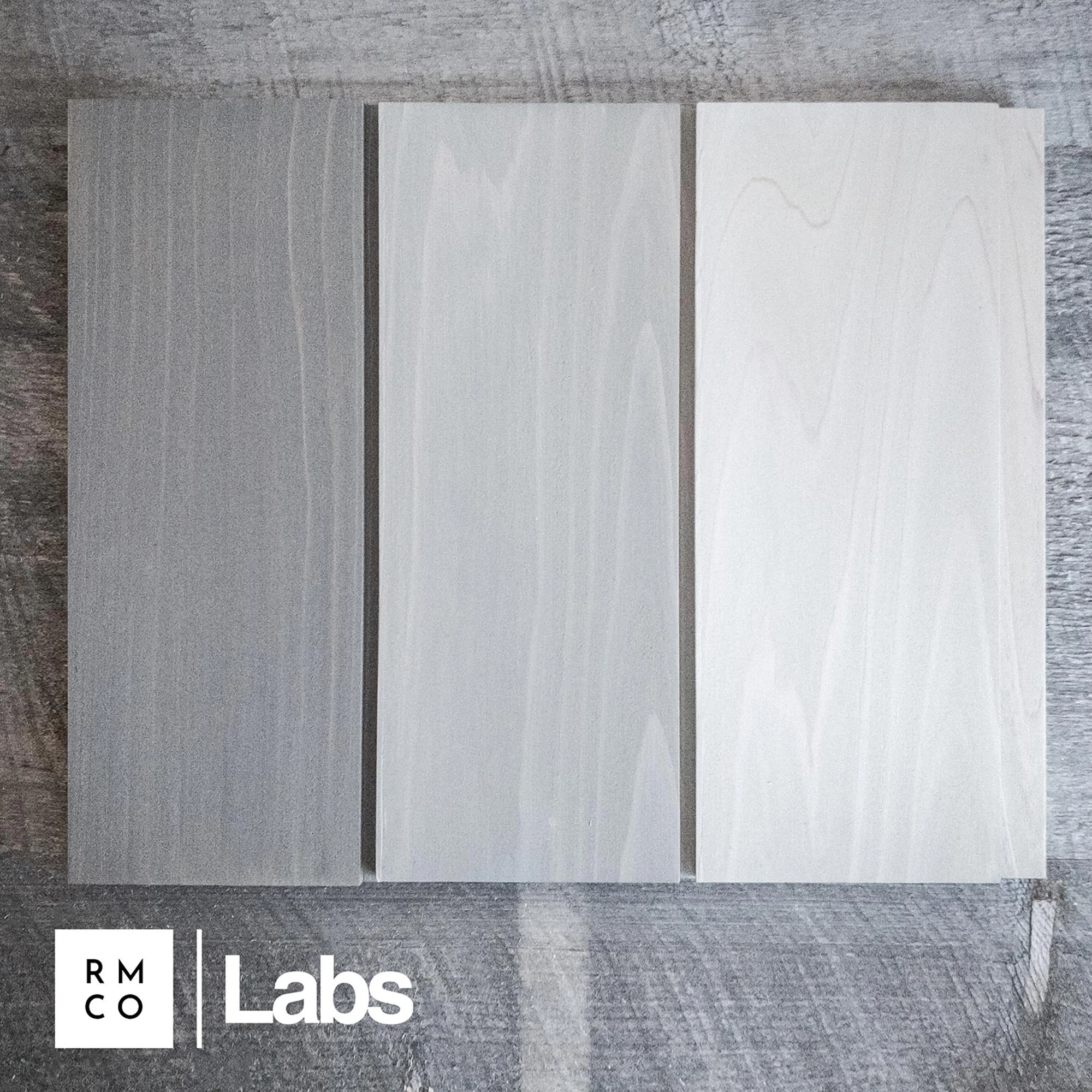
Species, profile, dimensions, finish and application could all be determined by the project. Some packages represented hundreds of thousands of dollars in custom material. Our role frequently began long before anything reached the mill, with consultation, specification, samples, site visits and coordination between the people designing and delivering the project.
The brand needed to reflect the world our products were going into rather than the conventional image of the industry producing them.
So we treated a sawmill like a luxury brand.
Not by disguising what it was.
By showing what it could be.
72 pages. Full litho. A comprehensive look at the products, people, places and thinking behind RMCO.
Click the cover below to flip through the magazine.
RMCO In Focus
DESIGNING THE BUSINESS
The identity was only one part of what needed designing.
As a ground-up startup, virtually every operating system had to be created alongside the company itself.
My role extended across much of that infrastructure: workflows, standard operating procedures, training, technical documentation, contracts, production processes, internal systems and the countless small decisions required to turn an idea into something capable of operating every day.
It also extended directly into manufacturing.
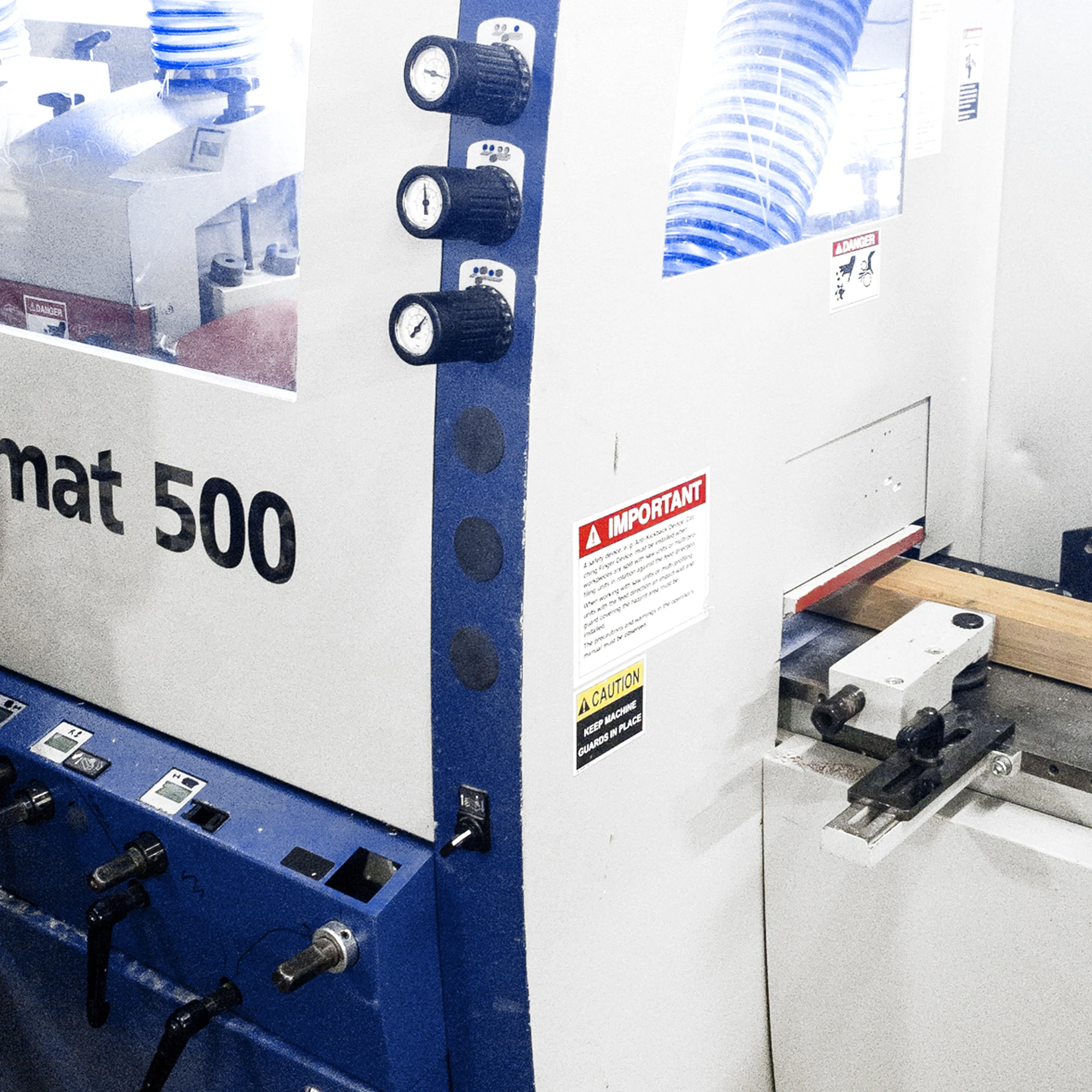
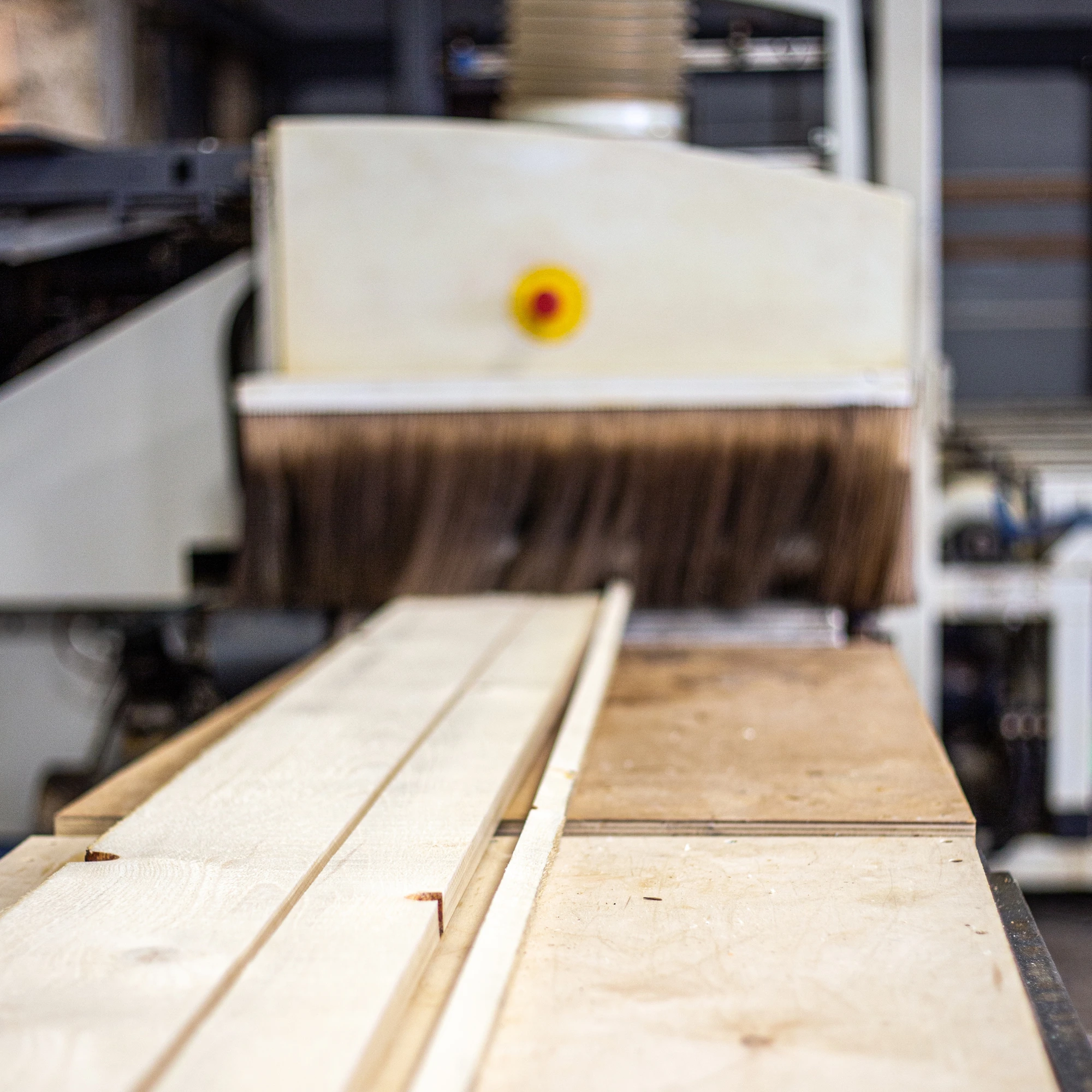
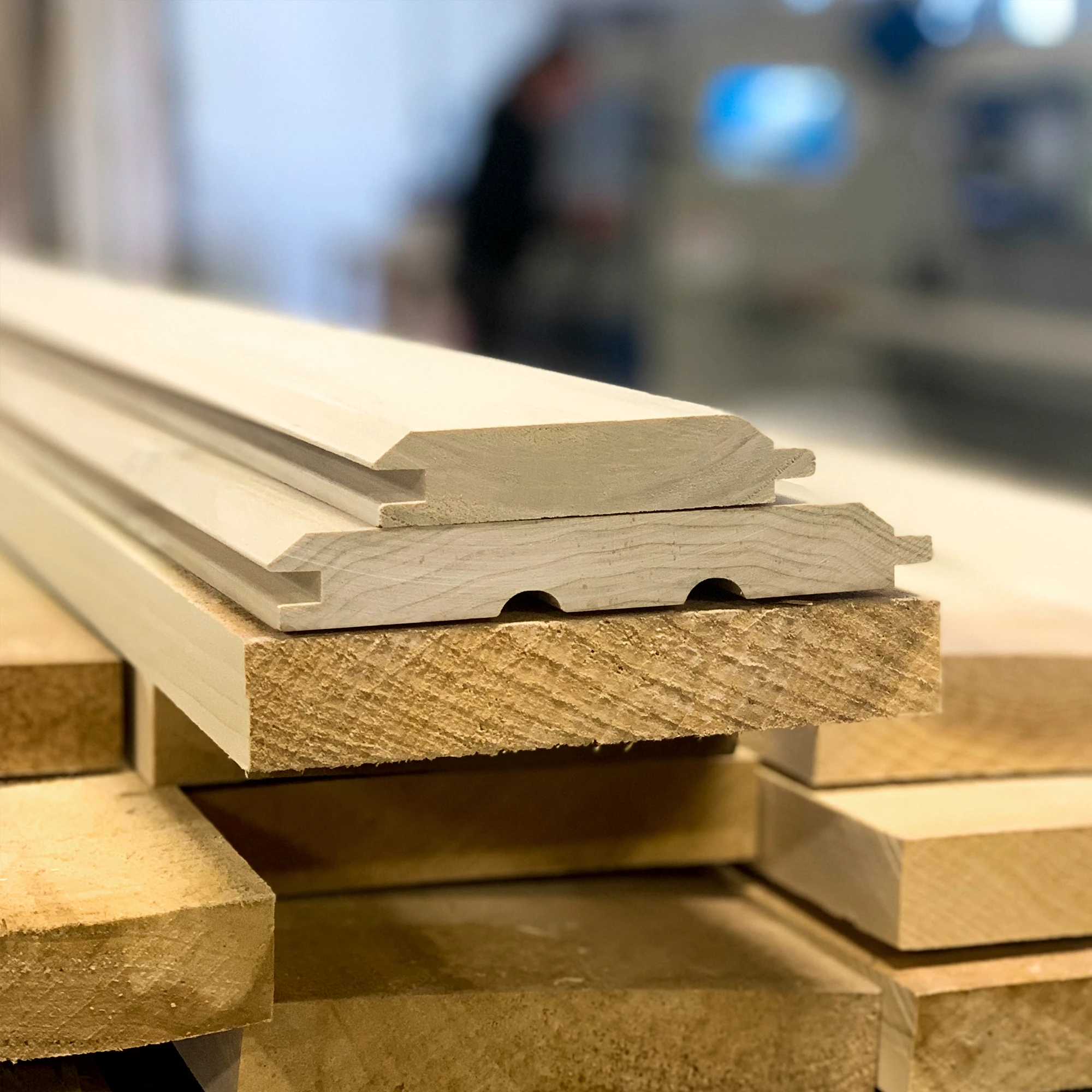
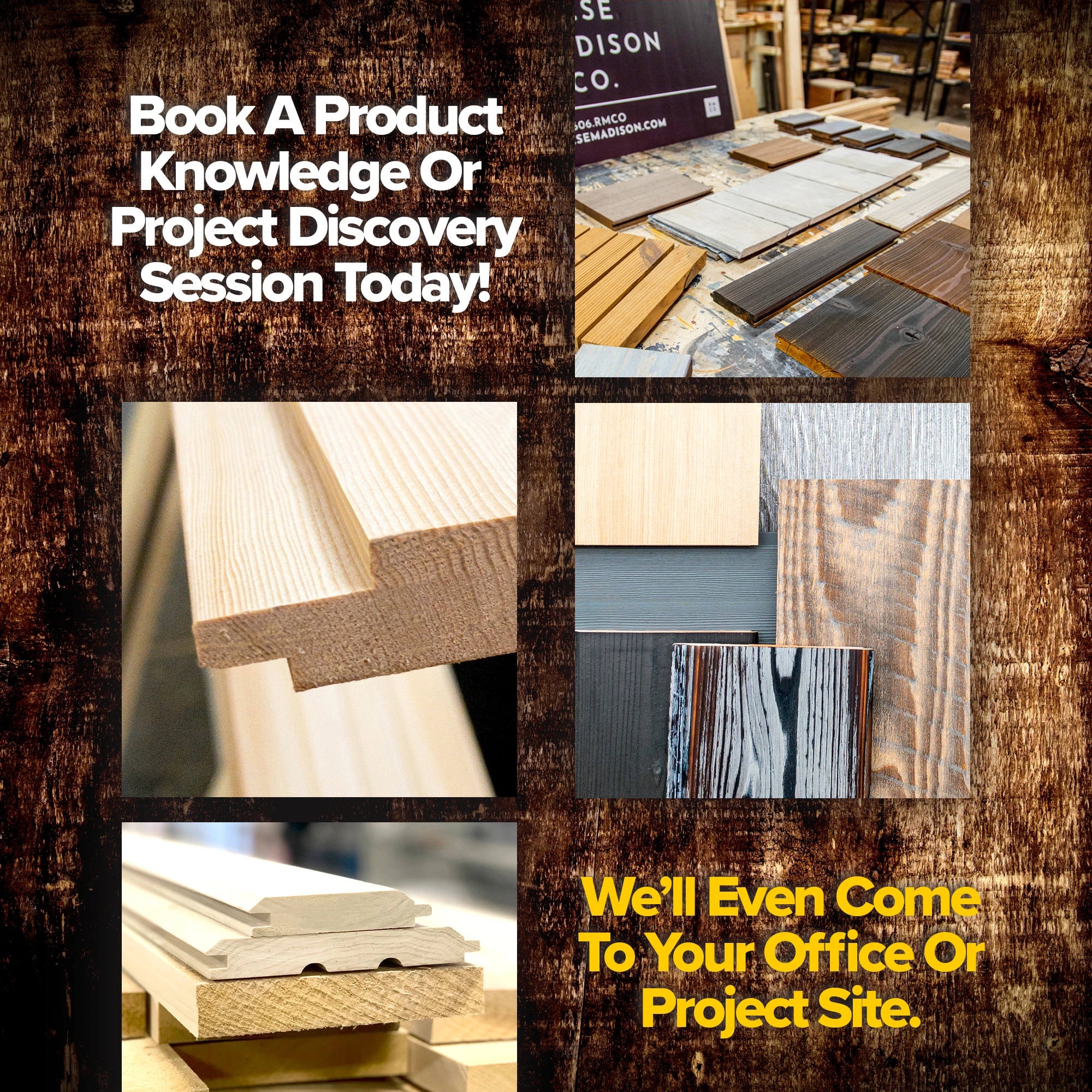
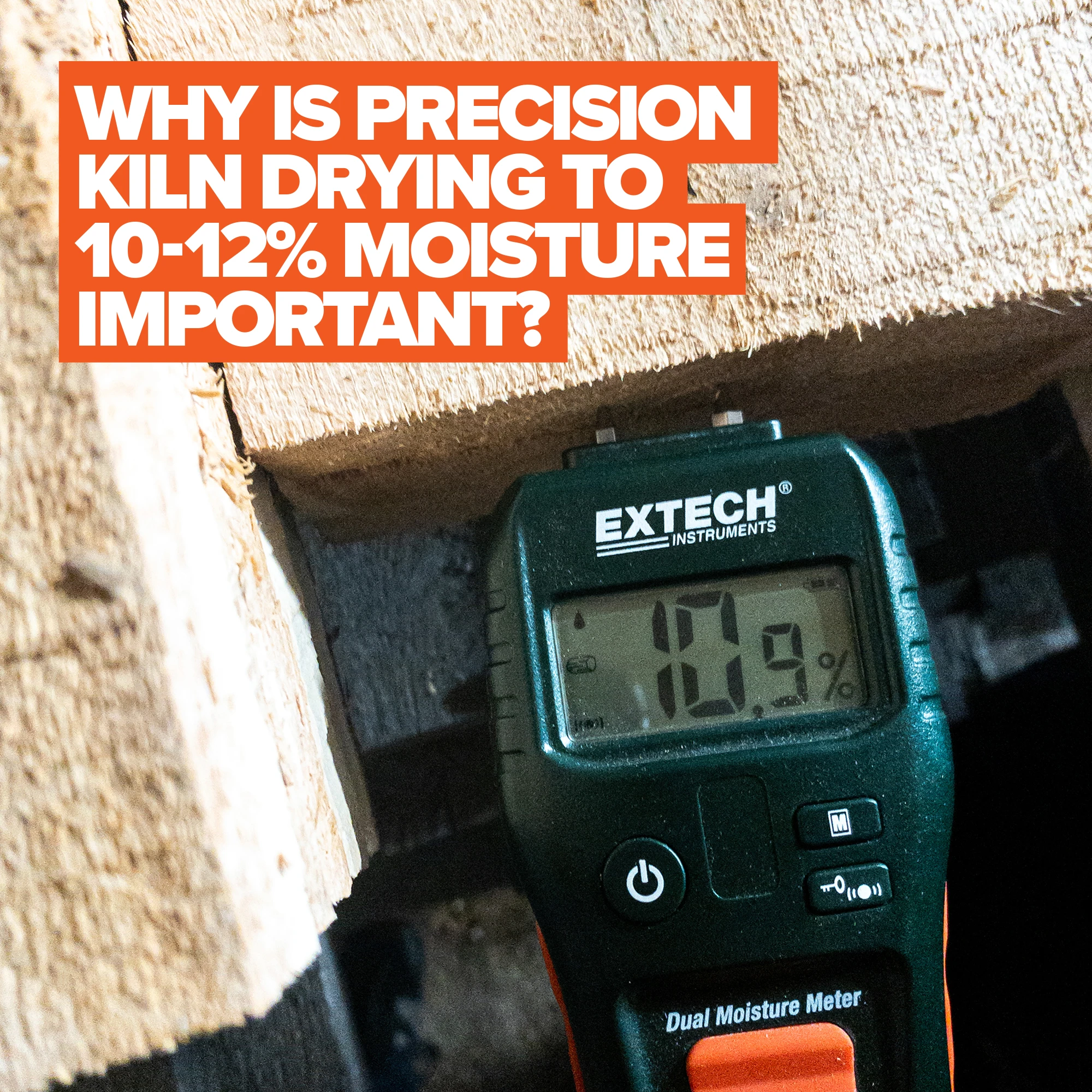
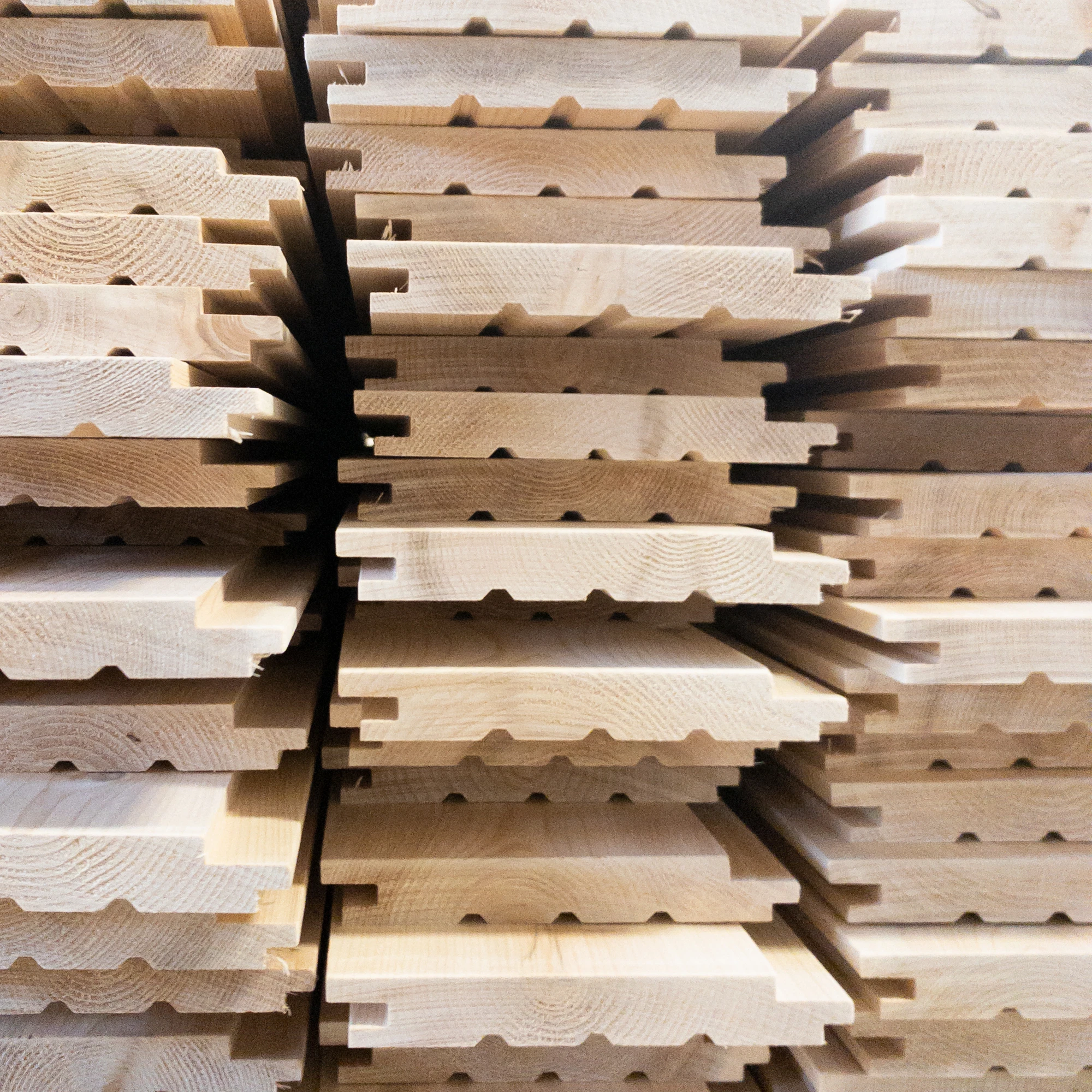
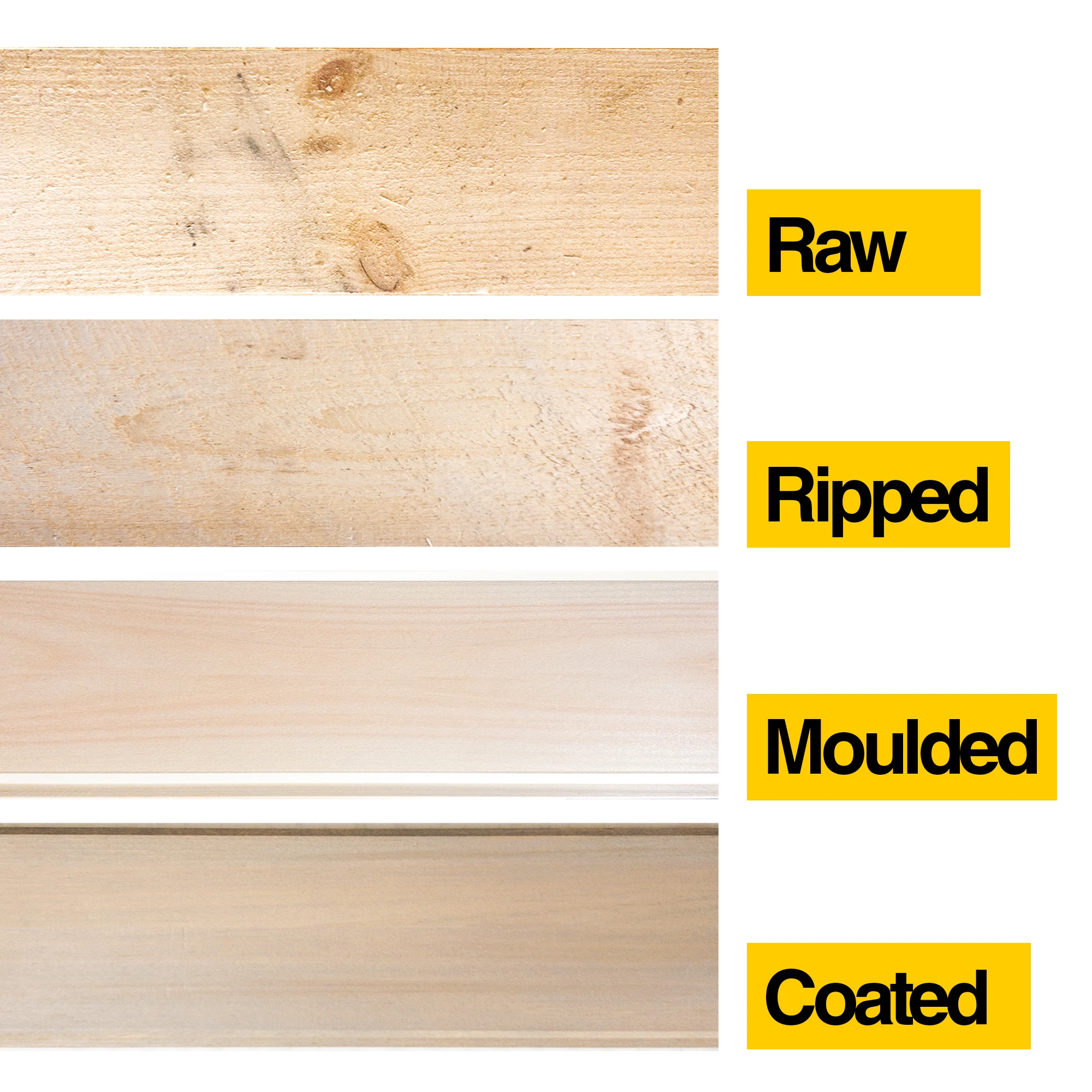
Many projects required unique profiles created specifically for an architectural application. I produced CAD drawings defining those profiles, which were then used to create the knives for our multi-head CNC milling equipment.
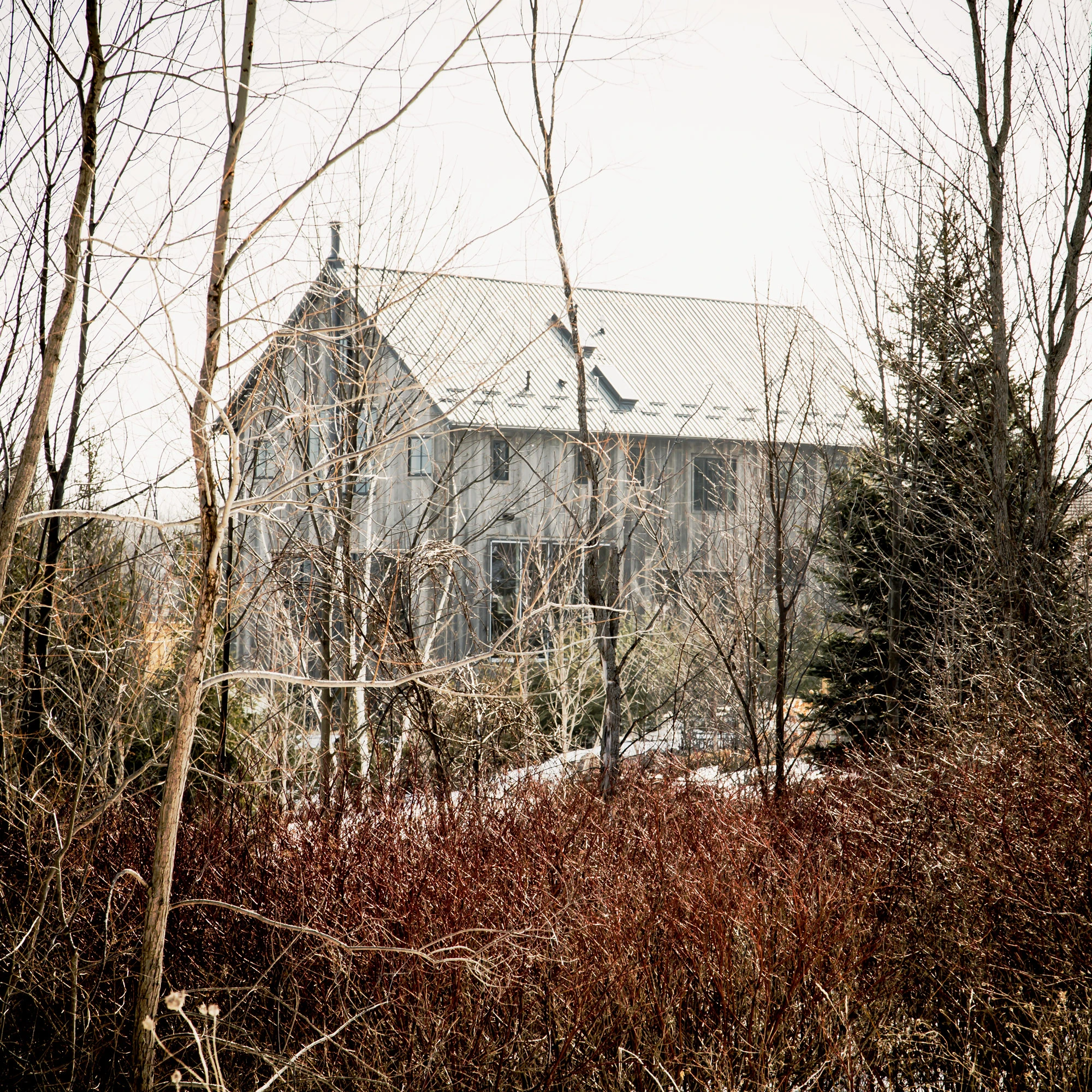
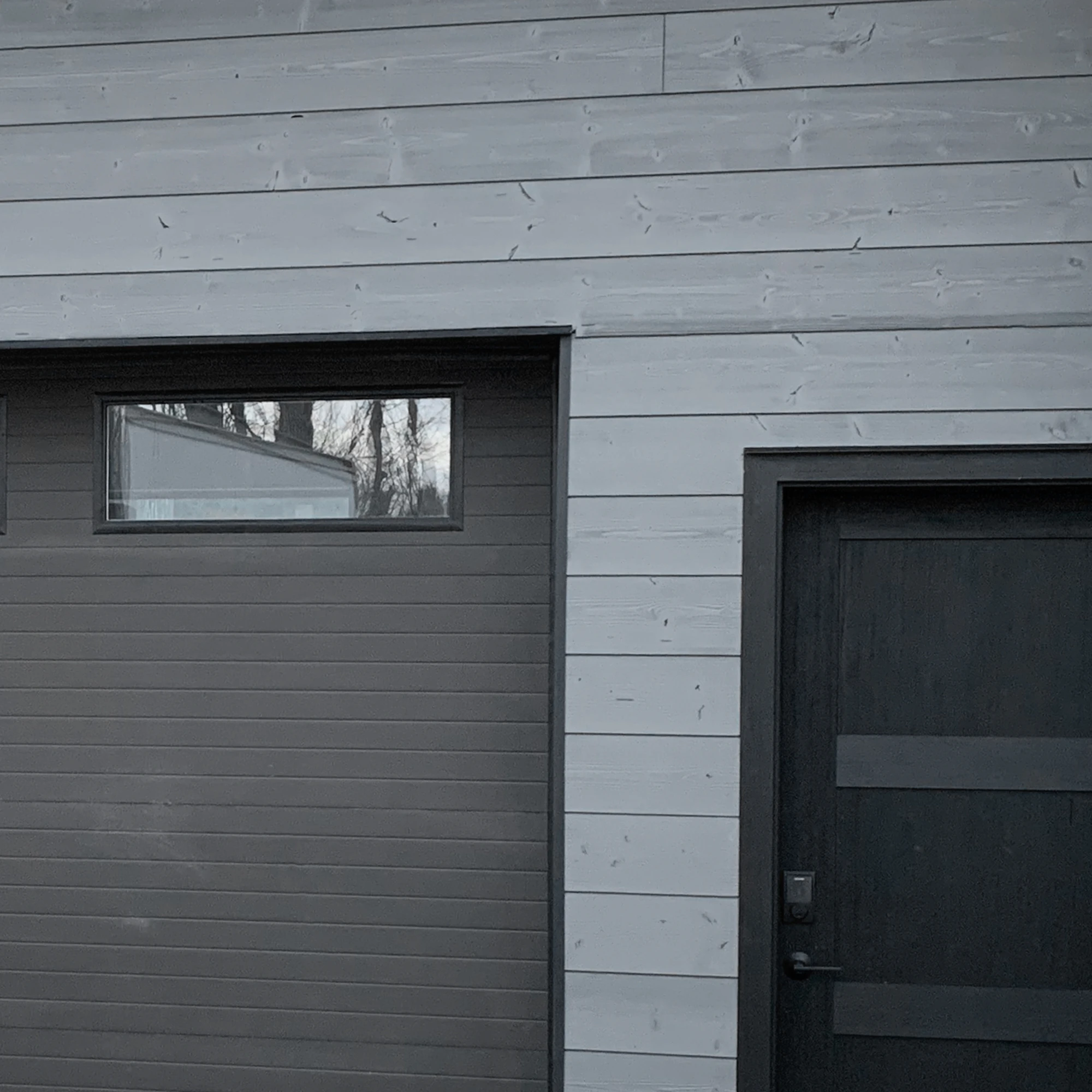
An architectural idea could move from conversation to specification, from CAD to tooling, from raw material to finished product, and eventually into a building.
Design wasn’t something RMCO applied at the end.
It ran through the entire process.
MAKING WOOD INTERESTING
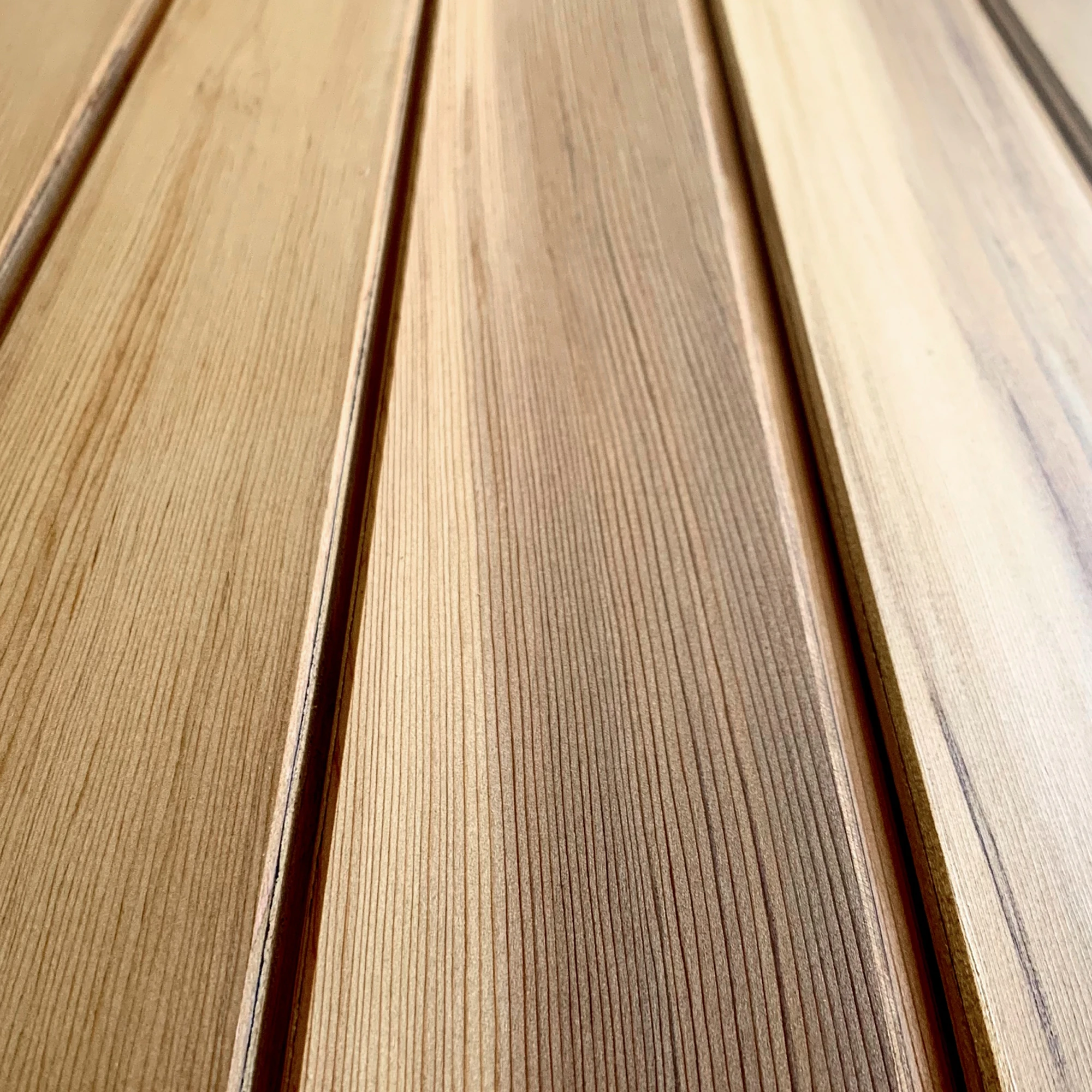
Wood is an extraordinary material.
Marketing wood can be considerably less extraordinary.
A photograph of a board is still, fundamentally, a photograph of a board.
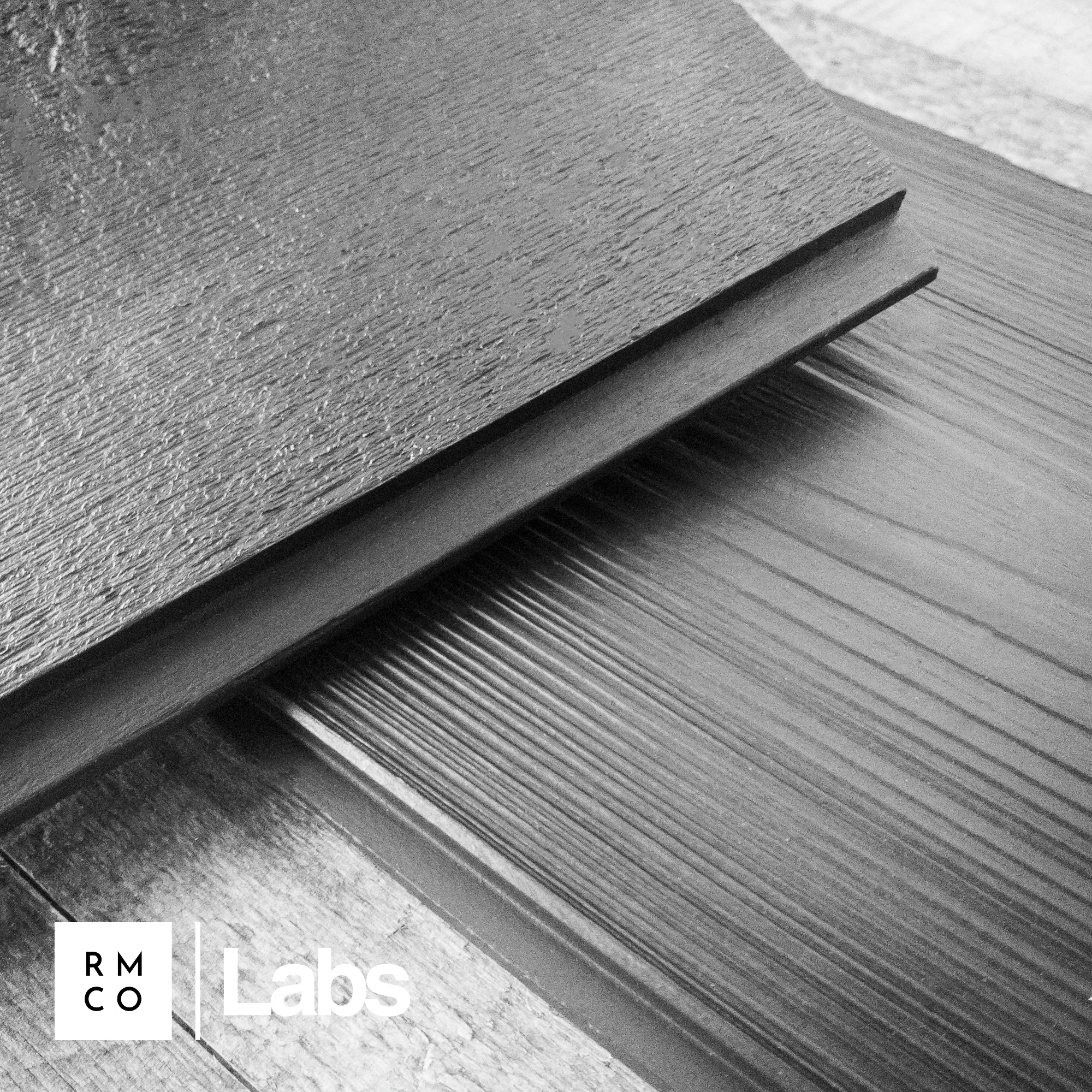
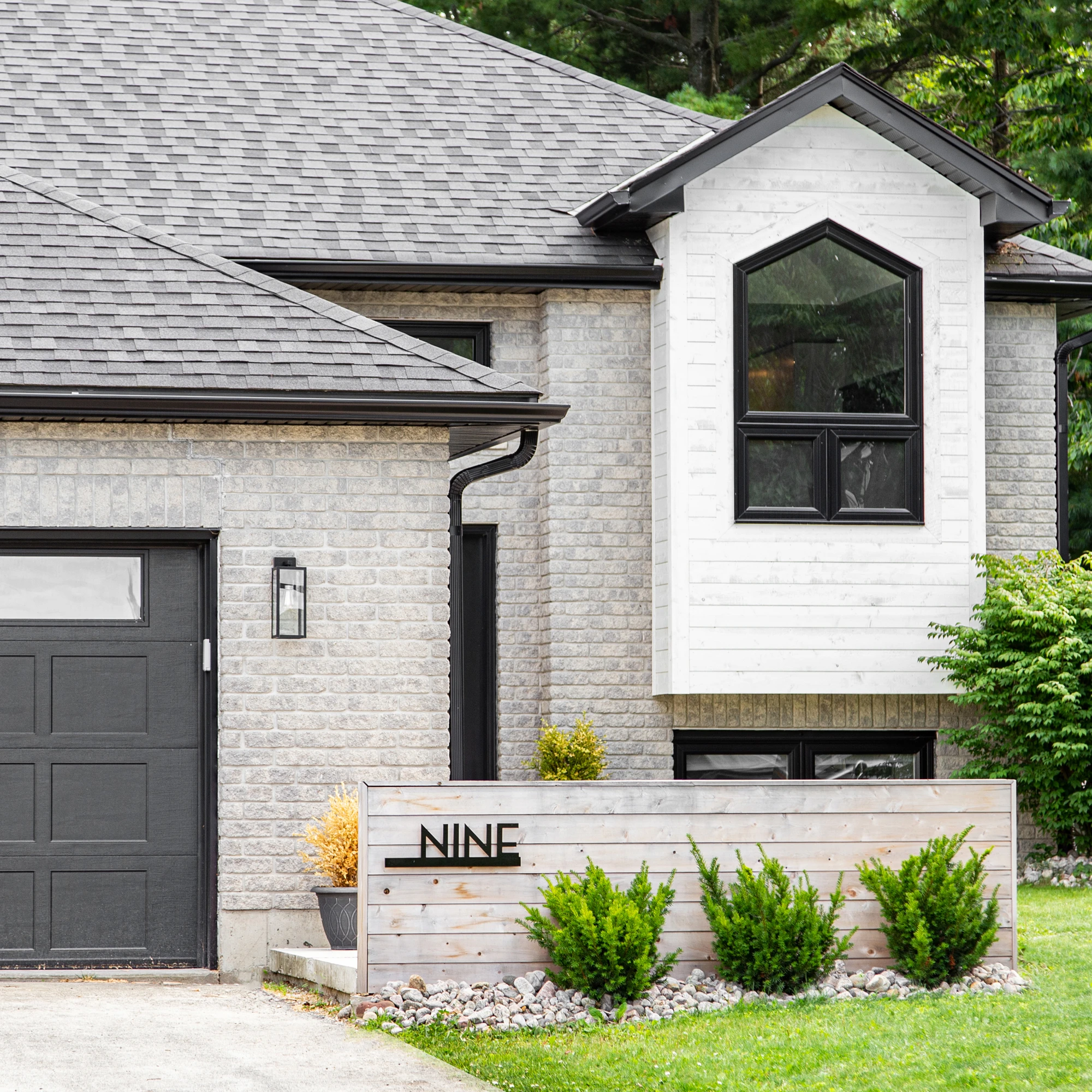
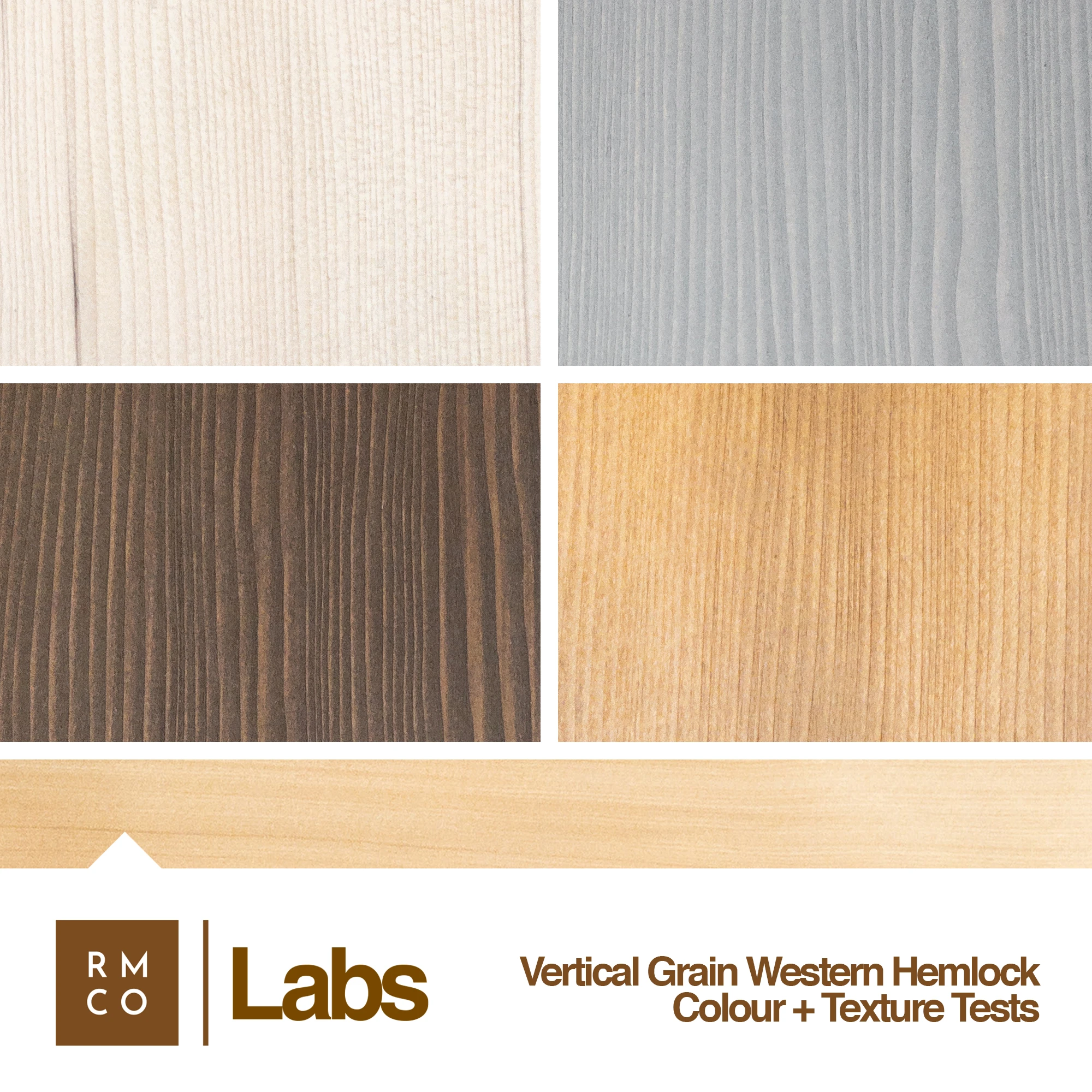
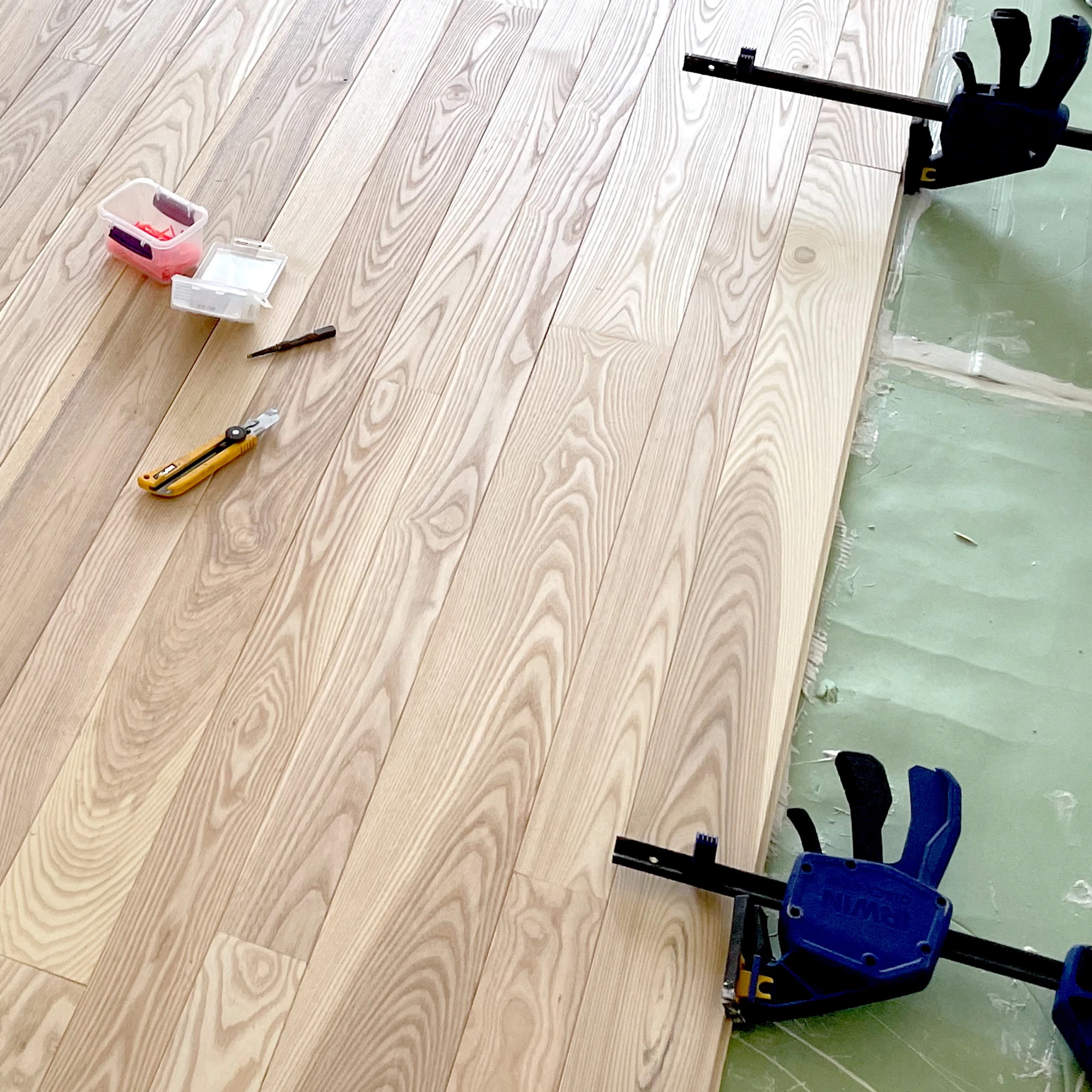
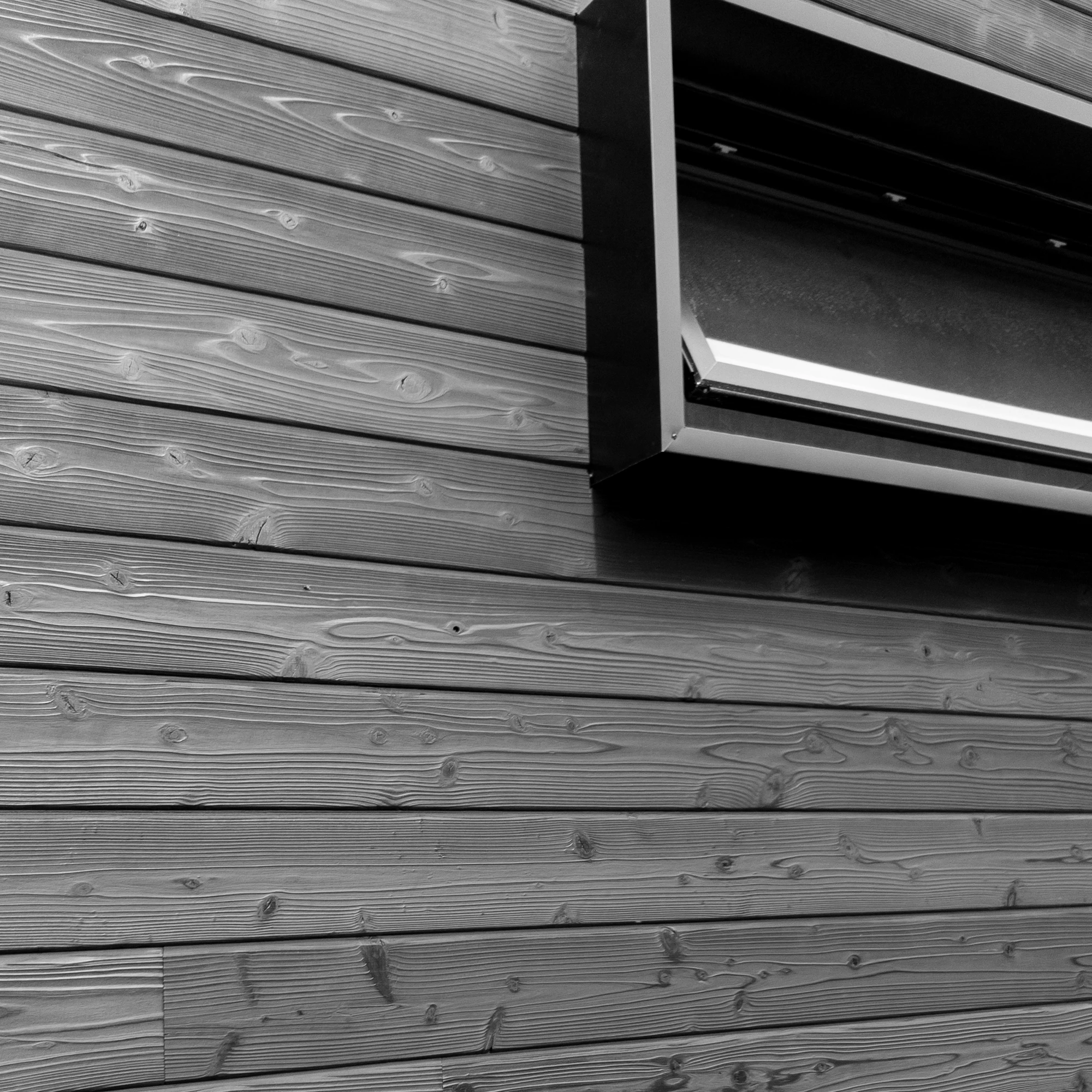
So the communication couldn't simply catalogue products. It needed to show materials in context, reveal the process behind them, introduce the people making them and connect what happened on the shop floor with the remarkable homes and spaces where the finished products eventually lived.
The objective wasn’t to make an industrial business pretend to be something else. It was to find the beauty, craft, precision and personality already there and give people a reason to notice it.
That philosophy extended through virtually every part of the brand.
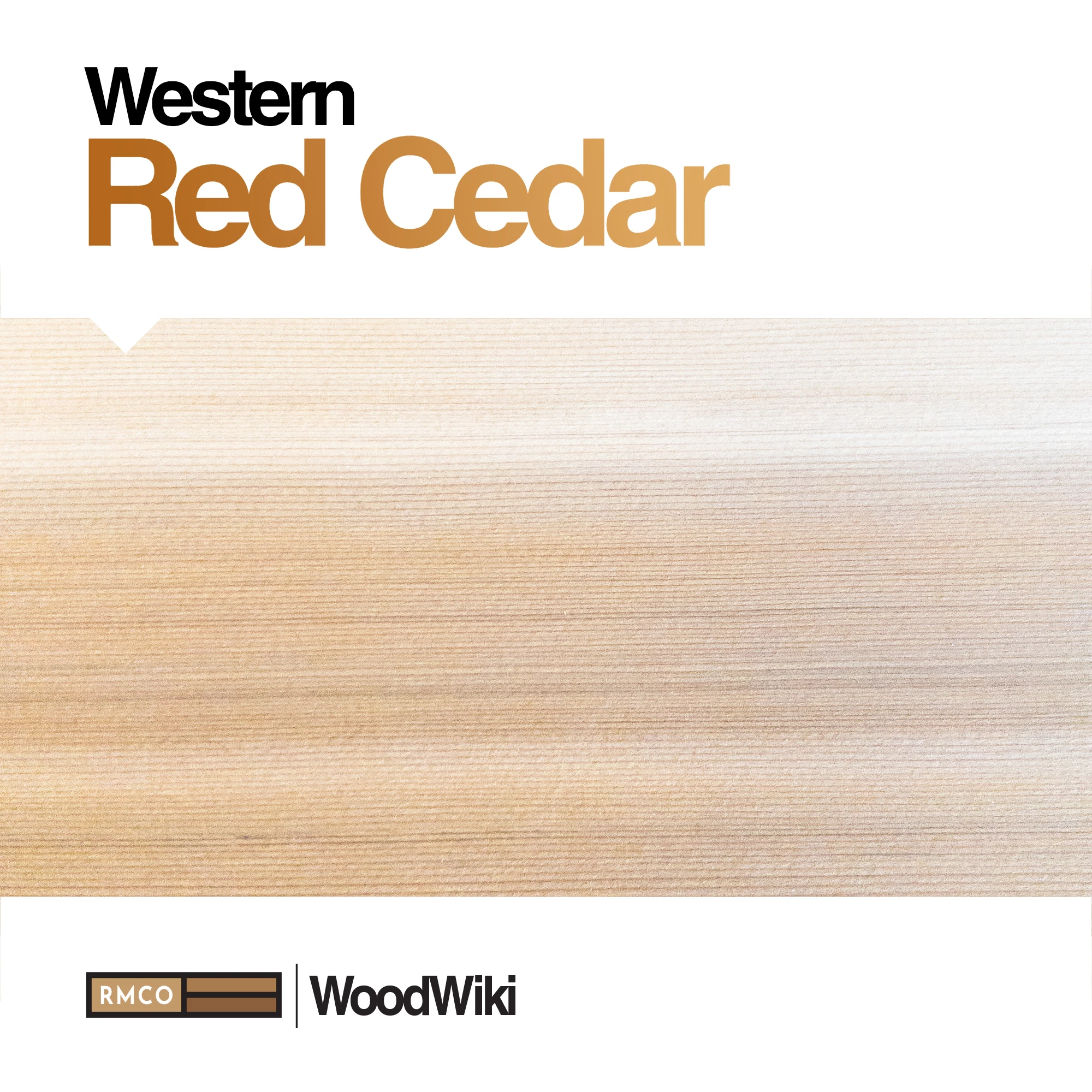
Even the product lines had names.
Because nobody has ever fallen in love with SKU 4872-B.
AN ALWAYS-ON BRAND
Launching the company was only the beginning.
For three years, RMCO operated with a continuous stream of communications across paid, earned and owned media.
I created and directed the company's photography, websites, social media, print advertising, paid digital placements, promotional materials, point-of-sale pieces, one-sheets, sell sheets, technical communications, video, motion graphics and ongoing brand content.
The resulting working archive exceeds 635GB.
But volume was never the objective.
Consistency was.
Whether someone encountered RMCO through an architect, an advertisement, a social post, a product sheet, a photograph or the website, it needed to feel like the same company: considered, knowledgeable, contemporary and unusually human for an industrial manufacturer.
For a small startup entering an established market, that consistency created something we couldn’t manufacture on a CNC machine.
Credibility.
FROM ZERO TO SOMETHING REAL
RMCO entered operation around the beginning of Ontario's first COVID lockdown.
Not exactly ideal timing for launching a manufacturing company.
Despite that, the business generated seven-figure sales during its first year and established relationships across the architectural, design and building communities we had set out to reach.
The company remained deliberately small, generally operating with between five and ten employees and only a limited number of major projects underway at any one time.
I remained with RMCO through its first three years of operation. The brand, systems and substantial library of media created during that period continued to be used after my departure. RMCO operated for another two years.
For me, RMCO remains proof of something I’ve believed throughout my career:
Design doesn’t have to stop at the thing people see.
For Context Yet, Completely Irrelevant
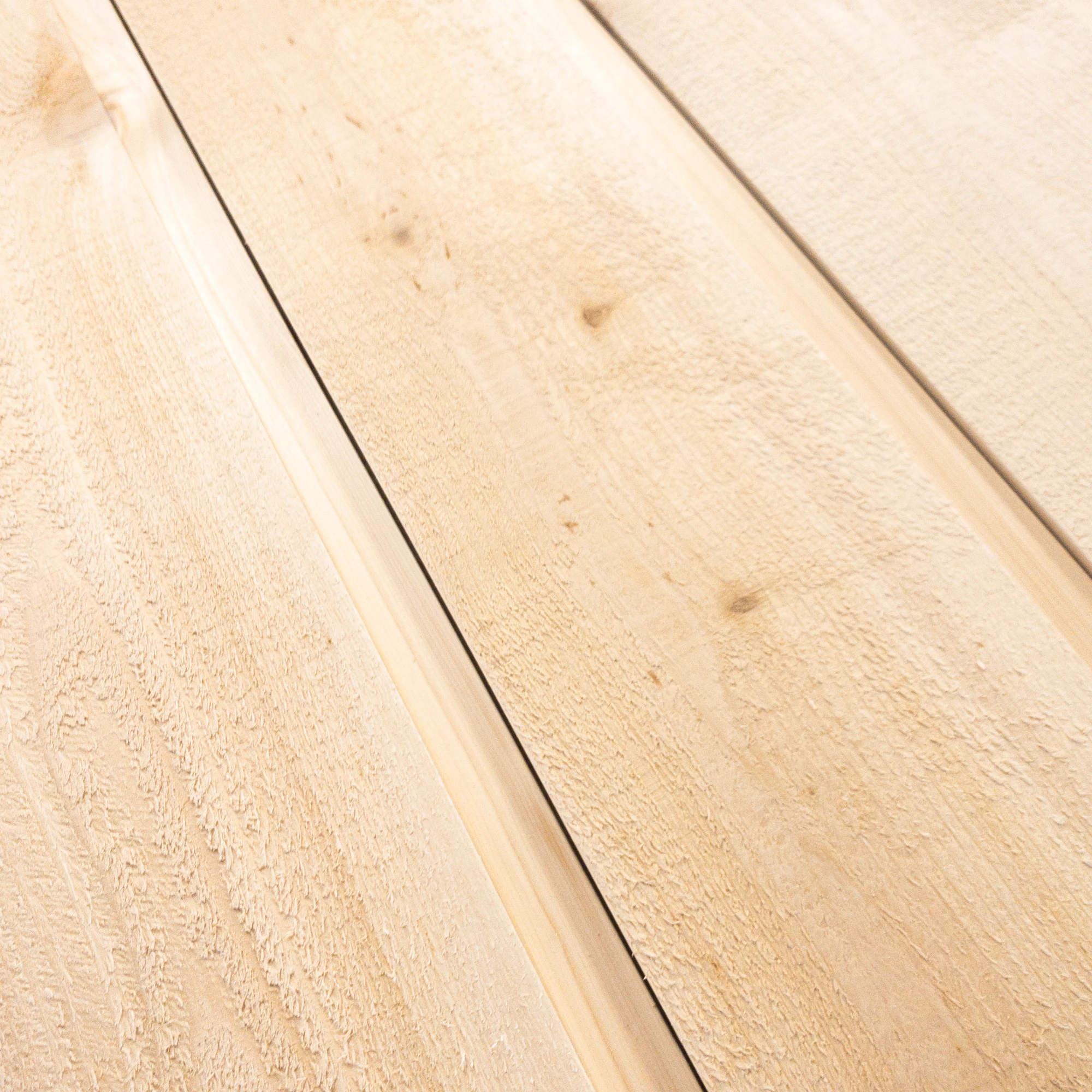
If you’ve never had a Hemlock sliver, keep it that way.
This concludes today’s workplace safety briefing.
Meanwhile, Elsewhere...
ME, ME, ME.
Who Is Jake Israel?
The short answer is complicated. The longer answer involves design, photography, advertising, music, teaching, media, several decades, and a persistent inability to sit still.
RADIO GAGA
Decider: Debut Album
These are our stories. Perhaps, they're yours too. Proof that after all these years, I still haven’t figured out what I want to be when I grow up.
ACADEMIC LIFE
The Professor
Teaching the craft, questioning conventions, mentoring the next generation, and encouraging curiosity, experimentation, and different ways of thinking.
STROKE RATING +9
Quest For The PGA Of Canada
Currently working toward the next chapter: passing the PAT, turning professional, and eventually teaching the game I’ve been playing all my life.
Have a project, an idea, a question, or an interesting problem that refuses to behave? Something that needs making, fixing, rethinking, photographing, designing, or otherwise coalescing into existence? Make contact. I can’t promise to say yes, but I can promise to have an opinion.